Emergency Aid Technology Transforming Telemedicine Care Now
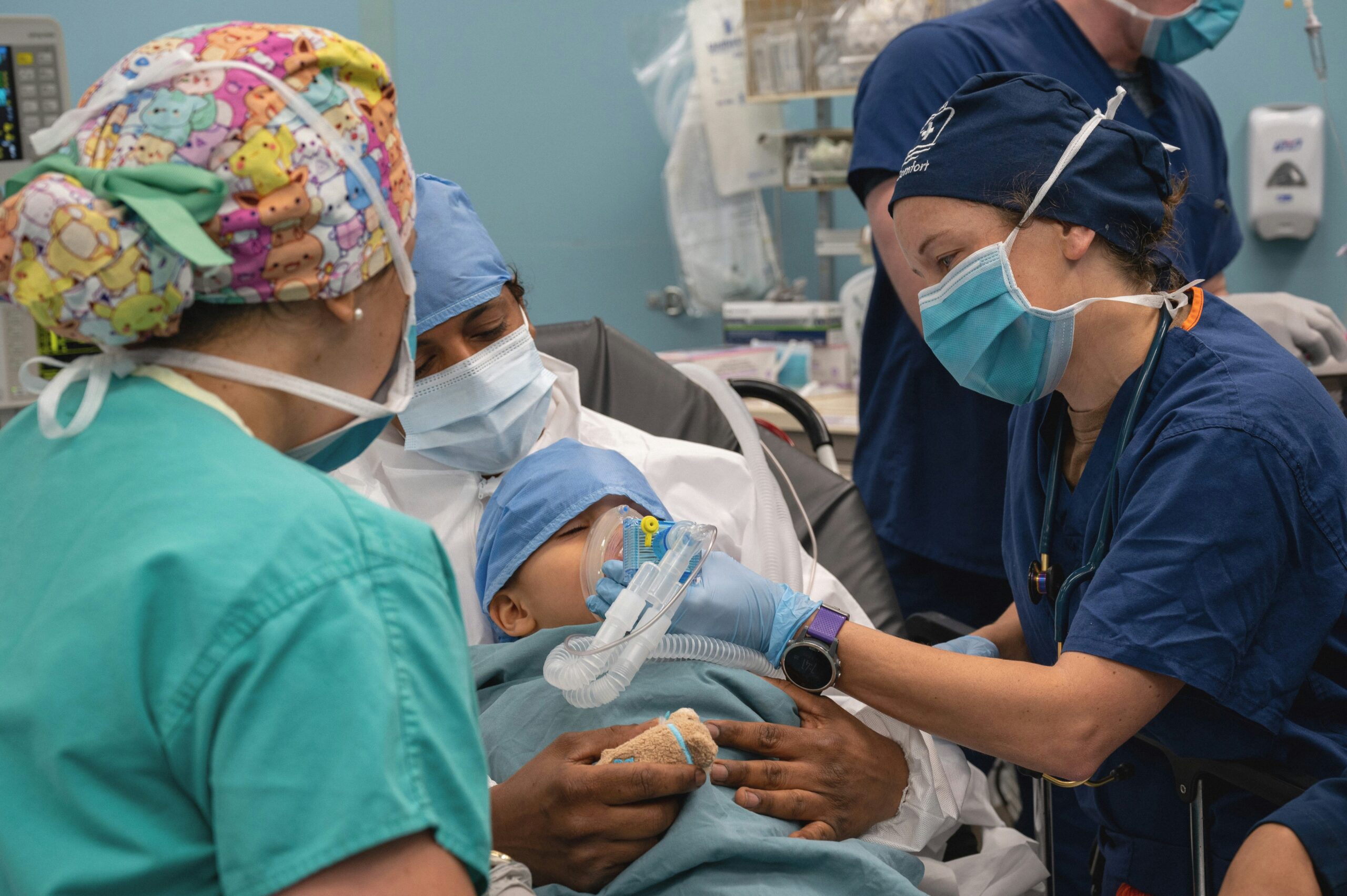
Emergency care demands speed, clarity, and trust. When seconds matter, teams must act with confidence. Today, emergency aid technology changes how responders think, decide, and deliver care. Because tools now connect people, data, and expertise, help reaches patients faster. Moreover, telemedicine extends that reach beyond walls and distance. As a result, communities gain safer and smarter emergency support.
Technology no longer sits in the background. Instead, it guides action in real time. Telemedicine links clinicians to crisis scenes. Therefore, care begins sooner, even before transport. Emergency aid technology also improves coordination, reduces errors, and supports better outcomes. These shifts redefine emergency care across cities and rural areas alike.
How Telemedicine Speeds Critical Decisions
Telemedicine brings clinical insight to the point of need. Paramedics can connect with physicians while still with patients. Consequently, teams confirm diagnoses and select treatments more quickly. This approach reduces delays and avoids guesswork. Moreover, remote guidance supports complex cases that once required long transport.
Video, audio, and secure data sharing create a shared view of the patient. Because clinicians see symptoms and vital signs, they offer precise advice. Therefore, responders act with clarity. Telemedicine also helps during disasters, when hospitals face strain. Remote triage then balances demand and directs patients to the proper care.
More Intelligent Triage Through Connected Systems
Emergency aid technology strengthens triage with live data. Devices capture vital signs and transmit them instantly. As a result, teams prioritize patients with accuracy. Meanwhile, algorithms highlight risk patterns and alert staff. This support does not replace judgment. Instead, it sharpens focus.
Connected systems also track capacity across facilities. Therefore, ambulances avoid crowded centers. Patients receive care more quickly, and staff workload evens out. Moreover, shared dashboards improve coordination during surges. Because everyone sees the same picture, decisions align.
Real-Time Data Improves Patient Safety
Data flows shape modern emergency care. Wearables, monitors, and mobile apps continuously feed updates. Consequently, clinicians detect changes early. Alerts prompt timely action, which prevents harm. Furthermore, records are automatically updated, reducing manual errors.
Emergency aid technology also secures data. Encryption and access controls protect privacy. Therefore, teams trust the system. With reliable information, care becomes consistent. Patients benefit from clear histories and fewer repeat tests. Meanwhile, clinicians gain time for direct care.
Training and Support for Responders
Technology trains responders before crises occur. Simulation platforms recreate high-stress scenarios. Because practice builds muscle memory, performance improves. Telemedicine also supports responders during calls. Remote experts guide procedures and confirm steps. Thus, confidence rises, and outcomes improve.
Learning continues after events. Data reviews highlight strengths and gaps. Therefore, teams refine protocols. Emergency aid technology turns experience into insight. Over time, systems evolve with evidence. This cycle supports safer care across regions.
Expanding Access in Underserved Areas
Rural and remote communities face unique challenges. Distance limits access to specialists. Telemedicine bridges that gap. Therefore, patients receive expert input without delay. Emergency aid technology also supports local clinics with guidance and referrals.
Mobile connectivity extends care during transport. Moreover, community responders gain support from regional centers. Because access improves, equity improves too. People receive timely help regardless of location. This change saves lives and builds trust.
Coordination Across Agencies
Emergencies involve many partners. Police, fire, medical teams, and hospitals must align. Emergency aid technology unites them through shared platforms. Consequently, communication improves. Updates flow in real time. Therefore, duplication drops, and confusion fades.
Interoperable systems matter here. When tools speak the same language, teams act as one. Telemedicine also connects specialists across agencies. Thus, expertise moves where it is needed. Collaboration becomes the norm rather than the exception.
Reducing Costs While Improving Care
Efficiency matters in emergency care. Technology streamlines workflows and reduces waste. Because triage improves, unnecessary transports decline. Telemedicine prevents avoidable admissions. Therefore, systems save resources while improving care.
Automation also reduces paperwork. Clinicians spend less time typing and more time treating; moreover, predictive insights guide staffing and supply use. Emergency aid technology aligns quality with sustainability.
Ethical Care and Human Connection
Despite advanced tools, care remains human. Technology supports empathy rather than replacing it. Telemedicine enables face-to-face connection during times of fear. Therefore, patients feel seen and heard. Clear communication reduces anxiety.
Ethics guide design and use. Consent, privacy, and fairness remain central. Emergency aid technology must serve people first. When implemented thoughtfully, it strengthens trust and dignity in care.
The Road Ahead for Emergency Aid Technology
Innovation continues at a rapid pace. Artificial intelligence, improved sensors, and better networks will deepen impact. However, success depends on training and trust. Systems must integrate smoothly into practice. Therefore, leaders should invest in people as well as tools.
Telemedicine will expand its role. Hybrid models will blend on-scene care with remote expertise. Consequently, emergency care will become more responsive. Emergency aid technology will guide decisions, connect teams, and protect patients.
Emergency care stands at a turning point. Technology and telemedicine reshape how help arrives and how teams act. Because data, connectivity, and expertise now converge, care starts sooner and travels farther. Moreover, coordination improves across agencies and regions. Emergency aid technology delivers safer, faster, and more equitable care. As systems evolve, patients and responders alike will benefit from a brighter, more connected future.
Additional Information
- Blogs
- Artificial intelligence, emergency aid, unique challenges
- Dr. Seth Eidemiller