Using Technology to Deliver Medical Support in Global Crisis Areas
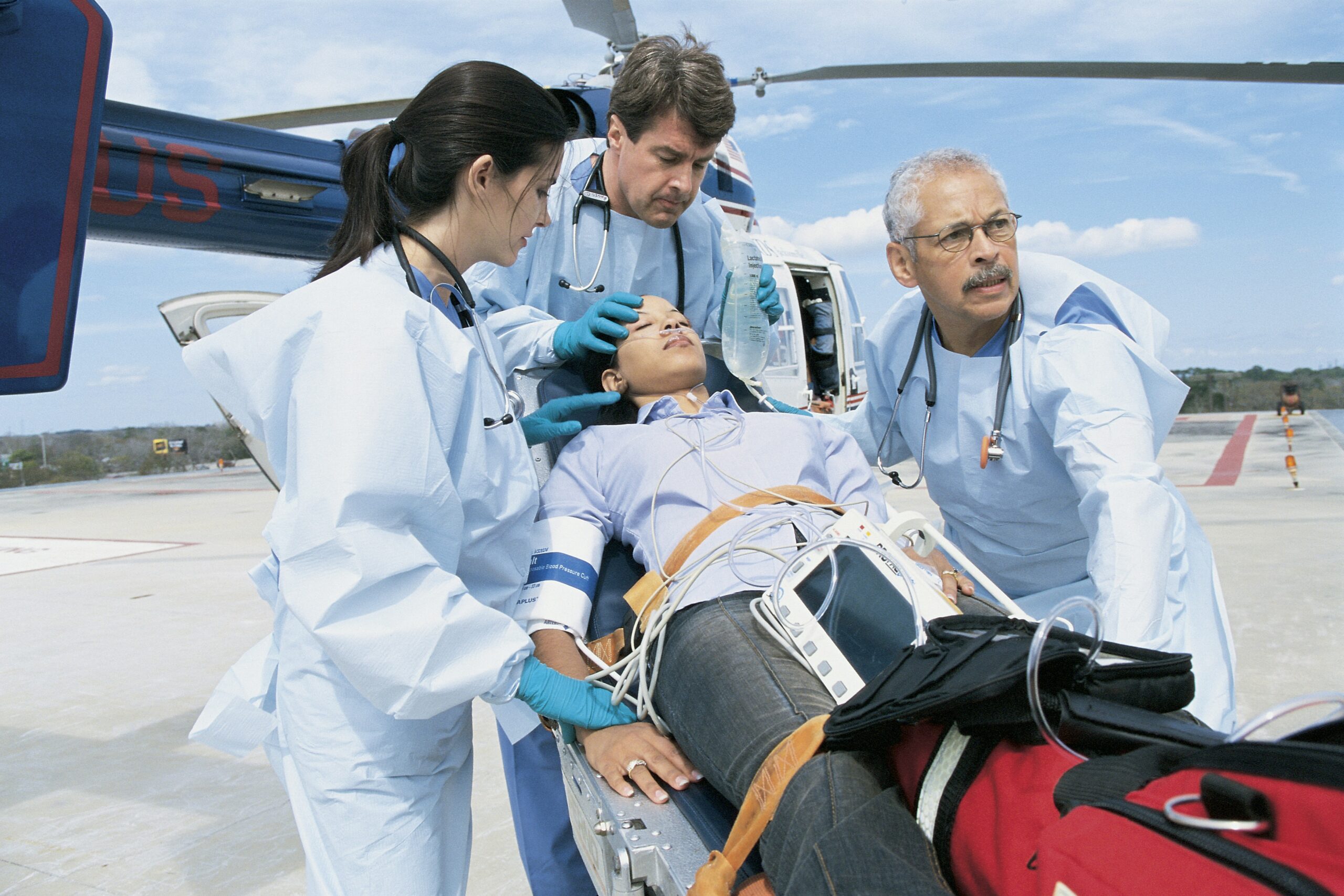
When disaster strikes or conflict spreads, health systems often collapse within hours. Hospitals lose power, supply routes break down, and trained professionals struggle to reach people who need urgent care. However, modern technology now offers new ways to deliver medical support in places where traditional healthcare cannot function.
Digital platforms, remote communication tools, mobile diagnostics, and artificial intelligence allow doctors and humanitarian teams to respond faster and more effectively. As a result, global relief organizations can reach patients in remote camps, damaged cities, and isolated communities. Technology does not replace human compassion, yet it greatly expands the reach of medical professionals working in dangerous or unstable environments.
Telemedicine Expanding Access to Remote Care
Telemedicine now allows doctors to examine and advise patients thousands of miles away from a crisis zone. Through secure video platforms, physicians can guide local health workers through diagnosis and treatment. As a result, patients receive care even when specialists cannot physically travel to the region. Many humanitarian groups now deploy portable communication kits that connect remote clinics to international hospitals.
In addition, telemedicine strengthens training and knowledge sharing during emergencies. Experienced surgeons and infectious disease experts can mentor frontline staff in real time. Therefore, medical teams working in refugee camps or disaster shelters gain immediate guidance when complex cases appear. This approach improves decision-making and reduces treatment delays during fast-moving humanitarian crises.
Mobile Health Units Powered by Digital Tools
Mobile clinics play a vital role in areas where hospitals no longer operate. Modern diagnostic tools now make these clinics far more capable than before. Portable ultrasound scanners, digital stethoscopes, and handheld blood analyzers enable health teams to assess patients quickly.
Furthermore, digital record systems help teams track patient history even when people move between locations. Health workers enter information into secure tablets that sync with cloud databases whenever connectivity returns. Consequently, treatment remains consistent across multiple aid sites. This system prevents repeated testing and supports more accurate follow-up care.
Artificial Intelligence Supporting Rapid Diagnosis
Artificial intelligence now assists doctors when time and resources are limited. AI-powered software can analyze medical images, detect patterns in symptoms, and flag serious conditions early. For instance, algorithms help identify pneumonia, malaria, or traumatic injuries using portable imaging devices.
Moreover, AI systems help humanitarian organizations predict outbreaks before they spread widely. By analyzing environmental data, travel patterns, and reported symptoms, predictive models highlight regions at higher risk. Therefore, aid groups can deploy supplies and personnel earlier. Early action often prevents small health threats from becoming large-scale disasters.
Drones Delivering Critical Medical Supplies
Transportation often becomes one of the biggest barriers during humanitarian emergencies. Roads may collapse after earthquakes or floods. In conflict zones, security threats may block ground vehicles. However, drone technology now provides a reliable solution for delivering life-saving equipment.
Small uncrewed aircraft can carry vaccines, blood samples, and essential medications across difficult terrain. Because drones travel quickly and avoid blocked routes, they significantly shorten delivery times. As a result, doctors receive the supplies they need even in isolated communities. Rapid delivery often determines whether a patient survives or deteriorates.
Digital Data Systems Improving Coordination
Large humanitarian responses involve many organizations working simultaneously. Without coordination, teams may duplicate efforts or miss critical needs. Digital health information systems now help agencies share updates, monitor resources, and track disease patterns across entire regions.
Cloud-based platforms allow field teams to upload patient data, supply inventories, and outbreak alerts in real time. Consequently, decision makers gain a clearer picture of the situation on the ground. This transparency improves resource distribution and strengthens collaboration between governments, aid groups, and international health institutions.
Wearable Devices for Monitoring Patient Health
Wearable health technology has become increasingly useful in crisis environments. Lightweight sensors track vital signs such as heart rate, oxygen levels, and body temperature. Health workers place these devices on vulnerable patients, including infants, elderly individuals, and people recovering from surgery.
These devices transmit data to monitoring stations, where clinicians can quickly review changes. If a patient’s condition worsens, alerts notify staff immediately. Therefore, medical teams can respond before complications grow severe. Continuous monitoring helps protect patients even when staff numbers remain limited in busy relief facilities.
Technology and Human Expertise Working Together
Technology continues to transform humanitarian healthcare responses worldwide. Digital tools improve diagnosis, expand communication, and deliver essential supplies faster than traditional methods. However, these systems only succeed when skilled professionals guide their use in challenging environments.
Doctors, nurses, engineers, and aid workers must work together to build reliable solutions for fragile regions. When innovation supports human expertise, health services reach more people in need. Ultimately, technology strengthens the global ability to protect lives during disasters, conflicts, and public health emergencies.
Satellite Connectivity Enabling Global Health Collaboration
Reliable communication often disappears when disasters damage local infrastructure. Satellite networks now fill that gap by connecting field hospitals with international medical centers. Through satellite internet, doctors share imaging files, laboratory results, and treatment plans instantly.
This global connection allows specialists from many countries to collaborate during emergencies. Surgeons, infectious disease experts, and trauma physicians contribute their knowledge even if they remain thousands of miles away. Consequently, crisis zones gain access to expertise that would otherwise remain unreachable.
Additional Information
- Blogs
- Artificial intelligence, diagnostic tools, treatment plans
- Dr. Seth Eidemiller