Philanthropy in Modern Medicine Sparks Lasting Progress
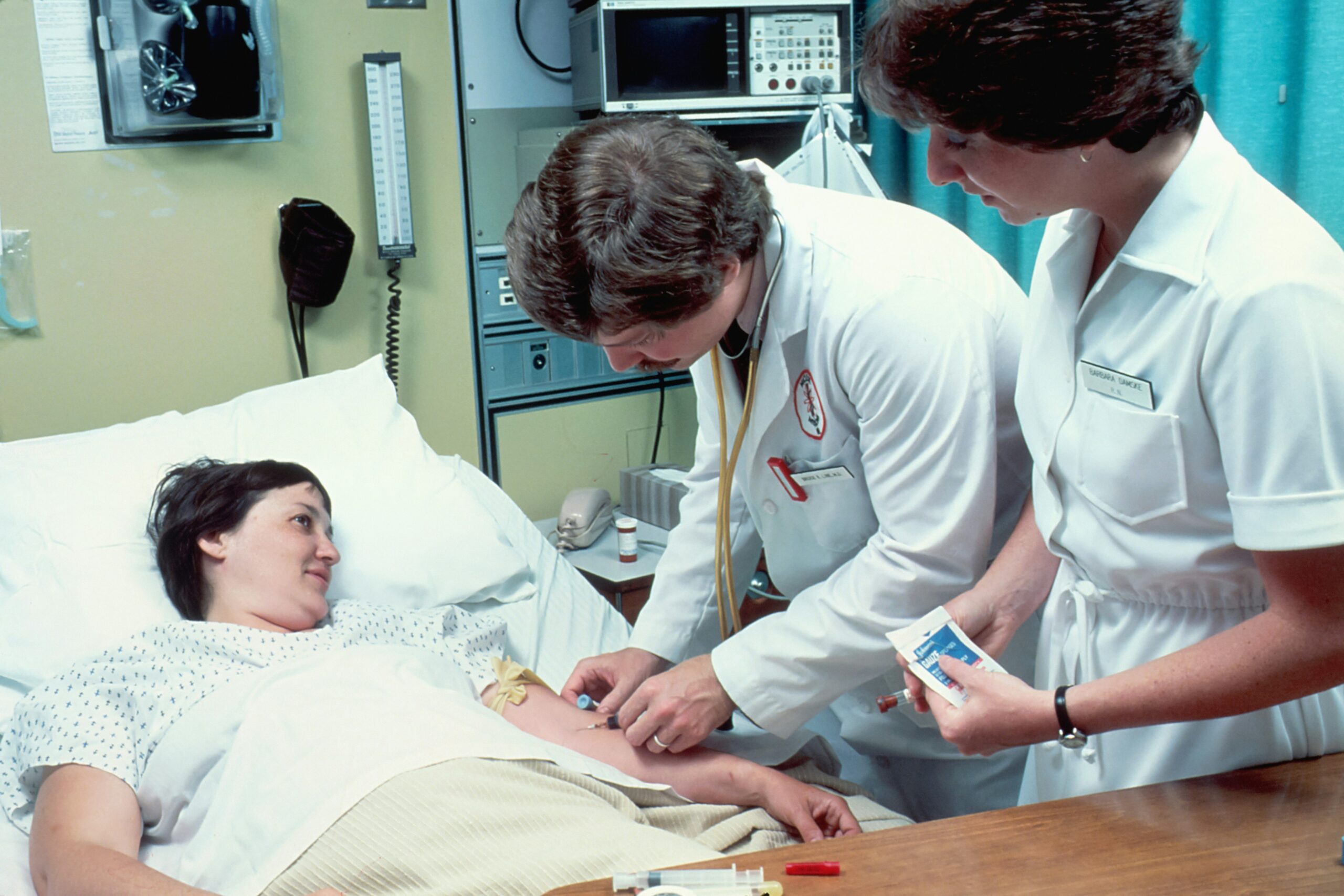
Philanthropy in modern medicine continues to shape the future of healthcare across the United States. Donors now support research centers, hospitals, and public health programs that improve lives every day. Because of this support, doctors can test new ideas, expand treatment options, and reach more patients in need. Medical leaders also rely on charitable donations when launching programs that improve care in underserved communities.
Today, healthcare costs continue to rise, and many hospitals face growing pressure. However, philanthropy creates new opportunities for progress. Financial support from individuals, nonprofits, and private foundations helps healthcare organizations move faster and serve patients more effectively. As a result, modern medicine continues to evolve, improving both quality and access to care.
How Philanthropy Supports Medical Research
Medical research often requires years of testing, planning, and development. Although government funding remains important, many research teams also rely on private donations to continue their work. Philanthropy in modern medicine helps researchers explore treatments that may not receive immediate public funding.
For example, many cancer centers use donor support to test innovative therapies and advanced screening tools. These programs often lead to faster diagnoses and better survival rates. In addition, charitable funding helps scientists study rare diseases affecting smaller patient populations. Without philanthropy, many of these studies would slow down or stop completely.
Research hospitals also use donations to buy modern equipment and recruit skilled specialists. Because of this support, healthcare teams can improve testing methods and reduce treatment delays. Patients benefit directly when hospitals gain access to more advanced medical technology and treatment systems.
Why Donors Help Expand Patient Care
Hospitals and clinics often face difficult financial challenges. Even so, healthcare workers continue to treat every patient who needs care. Philanthropy in modern medicine gives healthcare organizations the resources they need to expand services and improve patient experiences.
Many charitable programs now support free screenings, low-cost treatment plans, and mental health services. These programs help families who cannot afford the high cost of healthcare. At the same time, hospitals can reduce wait times and improve patient access through donor-funded expansion projects.
In many cities, philanthropy also supports mobile clinics and community outreach programs. These services bring healthcare directly to neighborhoods that lack medical facilities. As a result, more people receive preventive care before serious conditions develop.
Patients often feel more confident when healthcare organizations invest in comfort, communication, and emotional support. Donor funding helps hospitals improve patient rooms, create family centers, and offer counseling services. These changes may seem small, yet they create a more caring environment for patients and families during stressful times.
How Innovation Grows Through Charitable Giving
Innovation drives progress in healthcare, yet innovation often comes with high costs. Hospitals must invest in technology, training, and infrastructure before they can introduce advanced treatment systems. Philanthropy in modern medicine helps healthcare organizations take these important steps.
Today, many hospitals use charitable donations to improve digital health systems and telemedicine programs. Because of these upgrades, patients can meet doctors online and receive faster care from home. This approach saves time and improves access for people in rural communities.
Artificial intelligence also continues to change the healthcare industry. However, hospitals need strong financial support to test and adopt these tools. Donors now help fund AI research that improves imaging, diagnosis, and treatment planning. As a result, doctors can make faster and more accurate decisions for patients.
Charitable support also encourages collaboration between hospitals, universities, and technology companies. These partnerships create stronger research networks and speed up medical progress. Furthermore, healthcare workers gain access to better training programs that prepare them for future challenges.
The Growing Impact on Community Health
Communities benefit greatly when healthcare organizations receive strong donor support. Philanthropy in modern medicine supports public health programs focused on education, prevention, and wellness. These efforts reduce long-term healthcare costs while improving quality of life.
Many nonprofit organizations now sponsor nutrition programs, fitness education, and vaccination campaigns. Because of these programs, families gain better access to reliable health information and preventive care services. Communities also become more prepared to respond to health emergencies and disease outbreaks.
Schools and youth programs also benefit from charitable healthcare initiatives. Healthcare organizations often partner with local schools to provide wellness screenings and mental health support for students. Early care helps children stay healthy and succeed academically.
In addition, philanthropy supports healthcare programs for older adults. Senior citizens often require ongoing treatment and support services. Through charitable funding, many organizations now offer transportation assistance, home visits, and wellness programs for aging populations.
Why Trust Matters in Healthcare Giving
Donors want to know that their contributions create meaningful change. Therefore, healthcare organizations must build trust through transparency and strong leadership. Many hospitals now provide detailed reports that explain how donations support research, patient care, and medical innovation.
Trust also grows when healthcare organizations share patient success stories and community results. These examples show how philanthropy in modern medicine improves real lives every day. Donors often feel more connected when they can see the direct impact of their support.
Healthcare leaders also understand the importance of long-term relationships with donors. Instead of focusing only on large gifts, many organizations now encourage community participation at every level. Small donations can still create major progress when people work together toward common goals.
Social media and digital fundraising platforms continue to expand public involvement in healthcare philanthropy. As a result, younger generations now support medical causes more actively than before. Online campaigns also help healthcare organizations respond quickly during emergencies and public health crises.
The Future of Philanthropy in Modern Medicine
Healthcare continues to change rapidly, and philanthropy will remain an important part of that growth. Donors now play a major role in shaping the future of treatment, technology, and patient care nationwide. Because medical needs continue to grow, healthcare organizations will depend even more on charitable support in the years ahead.
Future healthcare innovation will likely focus on personalized medicine, digital treatment systems, and expanded preventive care. Philanthropy in modern medicine can help speed up these advances while improving access for more patients. At the same time, charitable giving will continue to strengthen local communities and support public health programs.
Medical progress requires teamwork between researchers, healthcare workers, donors, and community leaders. When these groups work together, they create solutions that improve lives and build stronger healthcare systems. Philanthropy does more than provide financial support. It creates hope, encourages innovation, and helps modern medicine move forward with purpose and compassion.
Additional Information
- Blogs
- healthcare organizations, local communities, Medical leaders
- Dr. Seth Eidemiller