Why Early Global Health Education Gives Medical Students a Stronger Future
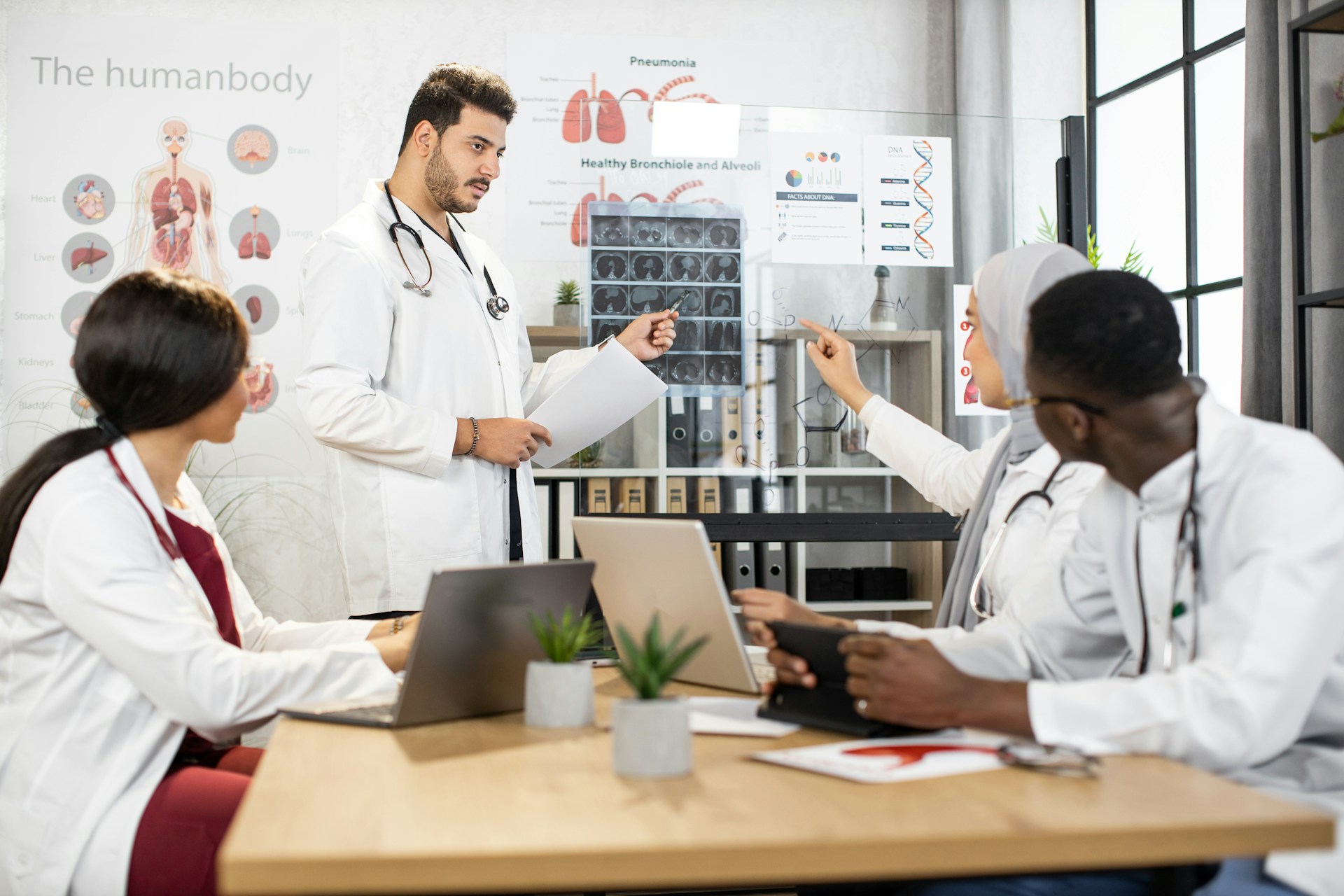
Medical school teaches students how to diagnose illness, understand anatomy, and care for patients. However, healthcare reaches far beyond hospitals and clinics. Around the world, people face different health challenges based on where they live, their income, and the resources available to them. Because of this, learning about global health early helps future doctors build a broader understanding of medicine. A strong foundation in global health education prepares medical students to become compassionate, adaptable, and informed healthcare professionals who can improve patient care in every setting.
Understanding Healthcare Beyond National Borders
Medicine does not exist within the limits of one country. Diseases spread across continents, and public health challenges often affect millions of people at once. Therefore, medical students benefit from understanding how healthcare systems operate worldwide.
Learning about global health introduces students to different healthcare models, disease prevention strategies, and public health policies. As a result, they begin to recognize that successful patient care depends not only on medical treatment but also on social, economic, and environmental factors.
Building Cultural Awareness From the Beginning
Every patient brings unique beliefs, traditions, and expectations into the healthcare setting. Therefore, cultural understanding plays an important role in building trust between patients and healthcare providers.
Early exposure to global health encourages students to appreciate different cultural perspectives. They learn how communication styles, family structures, and health beliefs influence medical decisions. Consequently, future physicians become better listeners and more respectful caregivers, regardless of where they practice.
Learning How Social Factors Shape Health
Medical conditions rarely develop without outside influences. Access to food, clean water, education, housing, and healthcare all affect patient outcomes. Although these issues exist worldwide, they often appear differently from one community to another.
Global health education teaches students to recognize these social influences early in their training. Instead of focusing only on symptoms, they begin examining the larger picture surrounding each patient. Because of this broader view, they can recommend treatments that better fit individual circumstances.
Developing Better Problem-Solving Skills
Healthcare professionals frequently work in situations where resources are limited. Some communities have advanced technology, while others rely on basic equipment and small medical teams. Therefore, flexibility becomes an essential skill.
When students study international healthcare systems, they discover how doctors adapt under different conditions. During these lessons, healthcare equity training becomes an important part of medical education because it encourages future physicians to think creatively while still providing safe and effective care. As a result, students become stronger problem solvers who can adjust to changing situations throughout their careers.
Preparing for Future Public Health Emergencies
Recent global events have shown that health emergencies can spread rapidly across countries. Pandemics, natural disasters, and humanitarian crises require healthcare professionals who understand international cooperation and emergency response.
Early global health education helps students understand disease surveillance, vaccination programs, emergency planning, and health communication. Furthermore, they learn why collaboration between governments, hospitals, researchers, and nonprofit organizations remains essential during major health events. This knowledge prepares future physicians to respond with confidence during times of crisis.
Encouraging Collaboration Across Medical Disciplines
Modern healthcare depends on teamwork. Physicians regularly work alongside nurses, pharmacists, therapists, researchers, public health experts, and community organizations. Therefore, collaboration should become a natural part of medical education.
Global health programs often highlight interdisciplinary cooperation because many international health challenges require multiple areas of expertise. Students learn that solving healthcare problems involves sharing knowledge, respecting different professional roles, and working toward common goals. Consequently, they enter clinical practice with stronger teamwork skills and greater confidence in collaborative care.
Inspiring Leadership Through Service and Innovation
Many medical students choose medicine because they want to make a meaningful difference. Global health experiences often strengthen that motivation by showing students how healthcare can improve entire communities.
In addition, early exposure introduces students to innovative healthcare solutions developed in different parts of the world. Some communities improve healthcare through mobile clinics, community health workers, telemedicine, or preventive education programs. By studying these approaches, students gain fresh ideas that may improve patient care in their own communities as well.
Creating Physicians Who Think Globally and Care Locally
Strong medical education prepares students for more than passing exams. It prepares them to care for people with different backgrounds, life experiences, and healthcare needs. In this final stage of learning, international medical experience helps students understand that quality healthcare depends on compassion, communication, continuous learning, and a willingness to see challenges from multiple perspectives. These lessons remain valuable whether they practice in a small rural clinic, a major city hospital, or an international healthcare organization.
Ultimately, introducing global health early benefits both medical students and the patients they will serve throughout their careers. Students develop stronger clinical judgment, greater cultural awareness, improved communication skills, and a deeper appreciation for health equity around the world. They also become more adaptable as healthcare continues to evolve across borders. Most importantly, early global health education reminds future physicians that excellent medicine combines scientific knowledge with empathy, collaboration, and a commitment to improving lives everywhere. Those qualities create doctors who are ready not only to treat disease but also to strengthen communities and contribute to a healthier world.
Additional Information
- Blogs
- Dr. Seth Eidemiller