How Telemedicine Strengthens Crisis Zone Aid
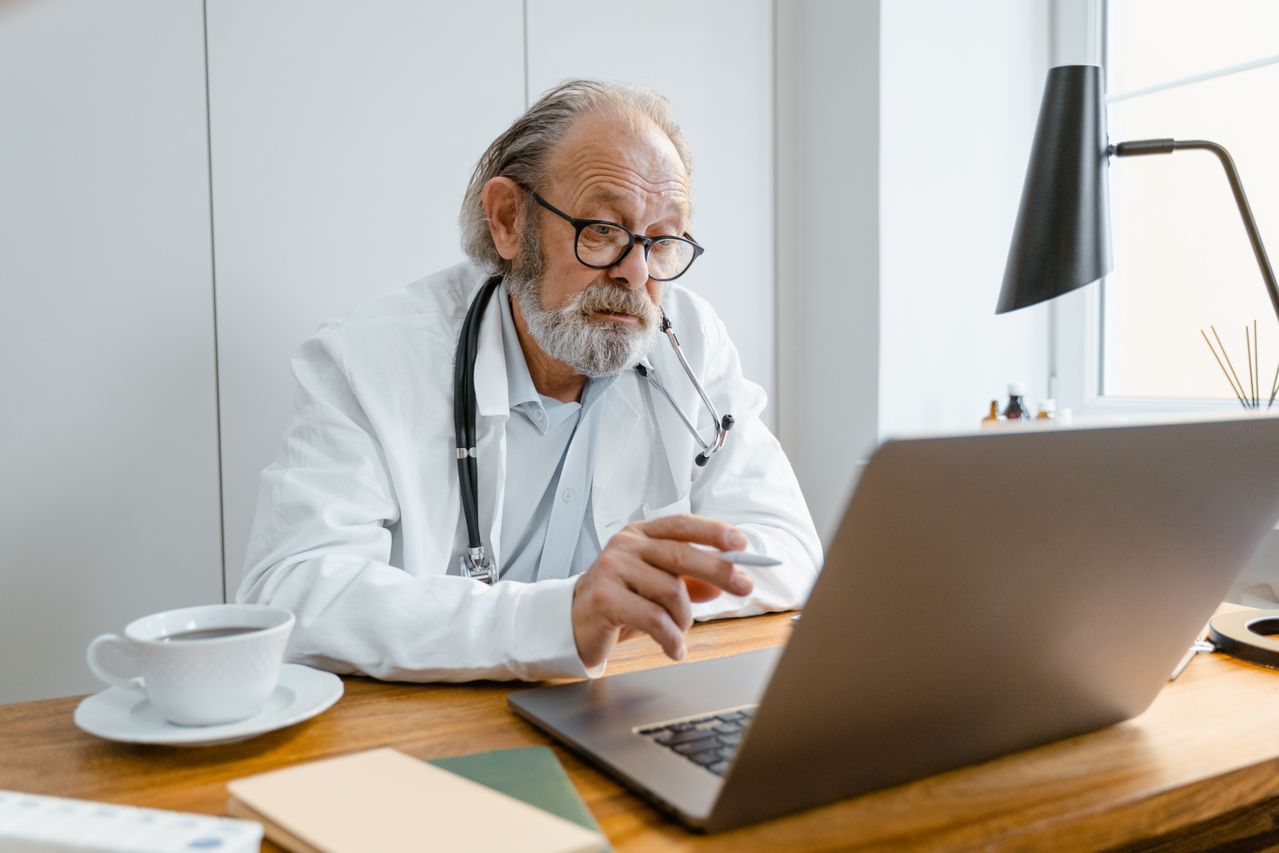
Emergency aid in crisis zones often depends on how quickly medical teams can reach people, assess injuries, and make treatment decisions. Yet wars, natural disasters, disease outbreaks, and infrastructure failures can make direct access difficult or dangerous. Technology and telemedicine are changing how humanitarian organizations respond to these challenges. With secure communication tools, remote medical consultations, portable diagnostic devices, satellite connectivity, and digital health records, healthcare professionals can support patients and local responders even when specialists are hundreds or thousands of miles away. Using telemedicine in crisis zones can improve emergency medical care, strengthen coordination, reduce delays, and help limited healthcare teams make better use of scarce resources.
Expanding Medical Access Through Telemedicine
One of the most important benefits of telemedicine in crisis zones is its ability to connect patients and frontline healthcare workers with specialists who are not physically present. In many emergencies, local clinics may lack surgeons, trauma experts, pediatricians, infectious disease specialists, or mental health professionals. Telemedicine platforms allow remote experts to review symptoms, discuss cases, examine uploaded images, and guide treatment decisions in real time.
This remote medical support can be especially valuable when damaged roads, security threats, flooding, or collapsed infrastructure prevent medical teams from traveling safely. A local nurse or emergency responder may be able to connect with an experienced physician through video, voice, or secure messaging. Even when internet bandwidth is limited, basic mobile communication can help specialists provide clinical guidance.
Telemedicine for emergency aid does not replace local healthcare workers. Instead, it extends their capabilities. A field medic who has access to remote expertise may be better prepared to recognize complications, prioritize treatment, and determine whether a patient needs urgent evacuation. This collaborative approach can strengthen crisis response while reducing unnecessary patient transfers.
Digital healthcare technology can also improve access for communities located far from emergency medical facilities. Mobile telemedicine stations, satellite-connected clinics, and portable devices can bring basic medical expertise into temporary shelters, refugee settlements, rural villages, and disaster recovery centers.
Improving Emergency Triage and Clinical Decisions
During a major crisis, healthcare teams may face more patients than available beds, medications, equipment, or staff. Effective emergency triage becomes essential. Technology can support faster and more organized decision-making by helping responders collect and share patient information efficiently.
Mobile applications can record vital signs, injury details, medical history, symptoms, and treatment priorities. This information can then be transmitted to centralized medical teams or specialists for review. Digital triage systems may help healthcare providers identify high-risk patients and determine which individuals need immediate treatment.
Portable diagnostic technology can further improve emergency medical care. Compact ultrasound devices, digital stethoscopes, portable electrocardiogram systems, pulse oximeters, and remote monitoring equipment can provide valuable clinical data without requiring a fully equipped hospital. When connected to telemedicine systems, these tools allow specialists to interpret findings from distant locations.
For example, a physician working remotely may review ultrasound images from a patient with abdominal injuries and help determine whether internal bleeding is suspected. Another specialist might analyze heart rhythm data from a patient experiencing chest pain. These forms of remote medical consultation can support faster clinical decisions when every minute matters.
Artificial intelligence and data analysis may also assist healthcare teams by identifying patterns in patient information. However, these tools should support rather than replace professional medical judgment. Crisis environments are unpredictable, and technology must be used carefully, with trained professionals responsible for final decisions.
Strengthening Communication and Crisis Coordination
Emergency medicine is only one part of humanitarian response. Crisis zones often involve multiple organizations, including hospitals, government agencies, humanitarian groups, military medical units, rescue teams, public health officials, and local volunteers. Communication problems can lead to duplicated efforts, missed patients, or shortages in critical supplies.
Digital technology can improve crisis coordination by allowing organizations to share information more quickly. Cloud-based dashboards, geographic information systems, emergency communication platforms, and digital patient tracking tools can help teams understand where healthcare needs are greatest.
Mapping technology is particularly useful during natural disasters and large-scale emergencies. Digital maps can identify damaged hospitals, blocked roads, temporary shelters, disease clusters, and areas with limited medical access. Response teams can then use this information to determine where mobile clinics, medical supplies, or additional personnel may be needed.
Satellite communication can provide another important layer of support. Traditional cellular networks may fail during earthquakes, hurricanes, conflicts, or infrastructure breakdowns. Satellite-connected devices can help emergency teams maintain communication when local systems are unavailable.
Reliable communication also supports medical evacuation. If a patient needs advanced treatment, telemedicine teams can coordinate with transportation providers and hospitals before the patient arrives. Medical information can be sent ahead, helping the receiving facility prepare appropriate staff, equipment, and treatment resources.
Digital records can further reduce confusion when patients move between temporary clinics and hospitals. A secure electronic record containing allergies, medications, injuries, and previous treatment can help healthcare providers maintain continuity of care.
Overcoming Challenges in Crisis Zone Telemedicine
Although telemedicine offers significant benefits, using technology in crisis zones also creates practical challenges. Reliable electricity, internet access, device availability, cybersecurity, training, and patient privacy must all be considered.
Power shortages are common during disasters and conflicts. Telemedicine equipment therefore needs flexible energy options, including rechargeable batteries, generators, portable solar systems, and low-power devices. Equipment should also be durable enough to operate in heat, dust, humidity, or harsh transportation conditions.
Internet connectivity can be equally difficult. High-definition video consultations may not always be possible. Telemedicine systems designed for emergency aid should therefore support low-bandwidth communication, offline data collection, and delayed synchronization when connections become available.
Privacy is another important concern. Emergency conditions do not eliminate the responsibility to protect sensitive medical information. Organizations using digital health platforms should use secure systems, appropriate access controls, and clear policies for storing and sharing patient data.
Healthcare workers also need training. Advanced technology provides little value if field teams cannot operate it confidently. Humanitarian organizations should prepare staff before emergencies occur by providing instruction in telemedicine platforms, portable diagnostics, cybersecurity, and digital triage procedures.
Cultural and language differences must also be addressed. Remote physicians may not understand local healthcare practices, communication styles, or available resources. Whenever possible, telemedicine programs should involve local medical professionals, interpreters, and community health workers who understand the environment.
The future of emergency aid will likely involve a combination of human expertise and carefully selected technology. Telemedicine, mobile health systems, satellite networks, remote monitoring, and digital diagnostics can make healthcare more accessible when traditional medical infrastructure is damaged or overwhelmed.
More importantly, these tools can connect knowledge with need. A specialist located far from a crisis zone may still help guide a difficult diagnosis. A local responder may receive expert support while treating an injured patient. A humanitarian organization may identify where medical supplies are running low before shortages become critical.
Using tech and telemedicine to support emergency aid in crisis zones is ultimately about improving the speed, reach, and quality of humanitarian healthcare. Technology cannot remove every obstacle created by conflict or disaster, but it can help medical teams communicate more effectively, make informed decisions, and provide critical care where resources are limited. When supported by reliable infrastructure, responsible data practices, strong training, and local partnerships, telemedicine can become a powerful part of modern crisis response.
Additional Information
- Blogs
- Dr. Seth Eidemiller