Why Medical Students Should Learn About Global Health Giving Early in Their Careers
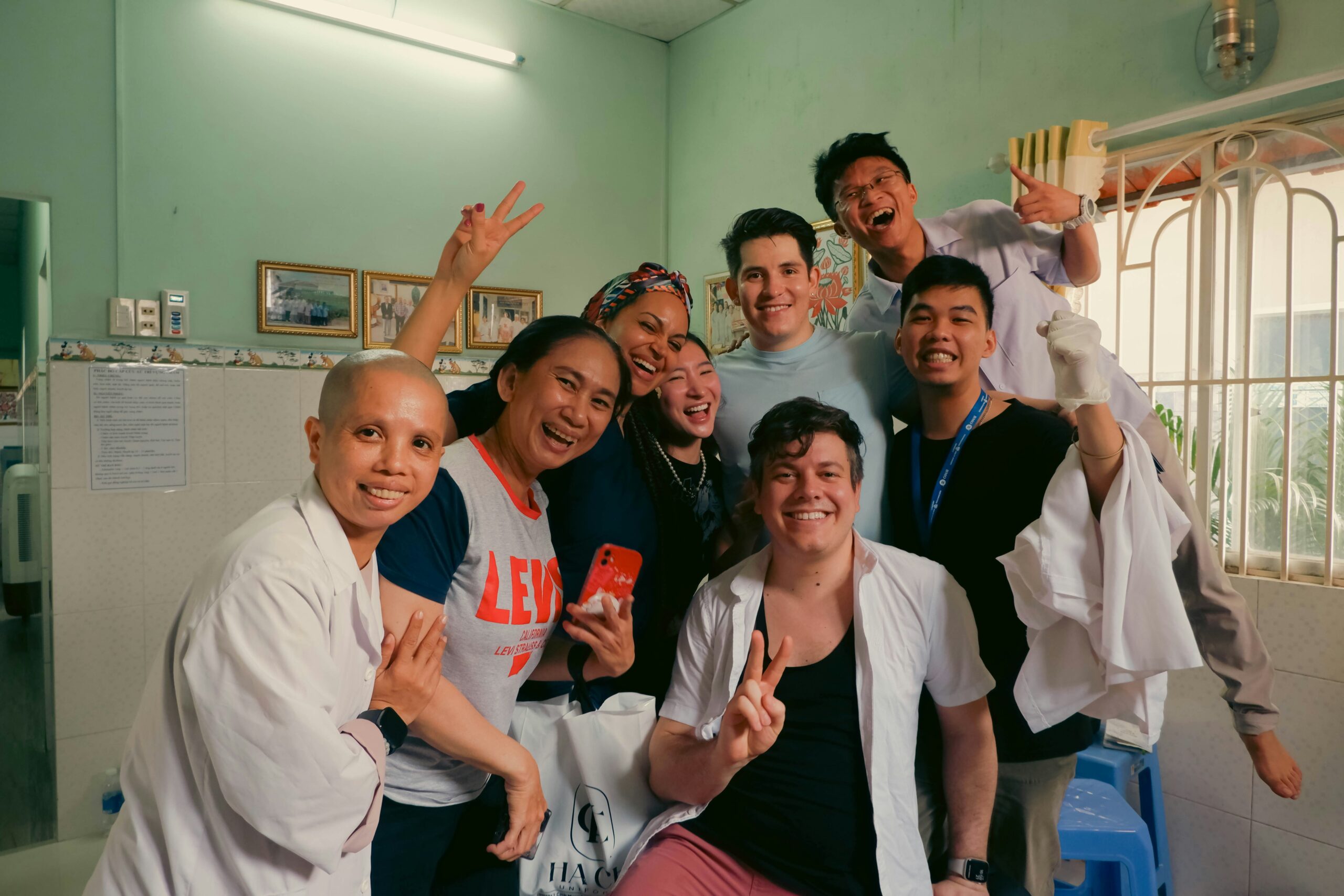
Global health giving is no longer a specialty reserved for seasoned physicians or international aid workers; it has become a foundation for how future doctors understand their role in a connected world. As health challenges cross borders and medical education expands, early exposure to global health gives students a more profound sense of responsibility and purpose.
It shapes how they view equity, care delivery, and service. Because the world demands medical professionals who can respond with empathy and cultural understanding, learning about global health early creates a stronger, better-prepared generation of healthcare leaders.
Understanding the Global Health Landscape Starts Early
Medical students often focus on local clinical skills, yet early awareness of global health provides them with a broader understanding of how health systems function worldwide. Many students are unaware of how limited resources, political instability, or cultural factors affect care delivery. When they learn about these realities early, they begin to approach medicine with a broader perspective and a more substantial commitment to equity.
Moreover, early exposure helps students grasp the interconnectedness of global health. Outbreaks, supply chain challenges, and humanitarian crises quickly influence care at home. Therefore, understanding global health giving prepares students to respond with clarity during emergencies. It not only builds awareness but also shapes their identity as future physicians who serve with both knowledge and compassion.
Building Empathy and Cultural Competency Through Early Learning
Empathy grows when students confront the realities faced by underserved communities. Early instruction in global health allows them to step outside their typical environment and understand what healthcare looks like when access is scarce. This creates a deeper appreciation for patient struggles, whether abroad or within marginalized groups at home.
Cultural competency also develops more naturally when students gain early exposure to diverse health beliefs, languages, and traditions. They learn how cultural norms influence care decisions and communication. Consequently, they become more effective clinicians who listen more effectively, adapt more easily, and reduce misunderstandings. These skills strengthen relationships with patients from every background.
Strengthening Ethical Awareness in Future Physicians
Medical ethics become more meaningful when applied to real-world challenges. Students who study global health learn early that fairness, dignity, and informed consent change in settings with different values or limited resources. This experience shapes their ethical reasoning and deepens their sense of responsibility.
Additionally, global health giving encourages students to think critically about power, privilege, and health equity. They begin to question how resources are allocated and what responsibilities wealthier nations hold toward vulnerable populations. This ethical framework guides them into careers defined by integrity and service rather than convenience or profit.
Preparing Students for Team-Based Global Health Work
Modern healthcare relies on collaboration, especially in global health settings where resources vary greatly. When students learn about global health from an early stage through development, they gain teamwork skills that support cooperation with other medical professionals, public health workers, and community leaders. This training helps them understand that meaningful progress requires shared effort.
Furthermore, early exposure teaches students how to work within systems where roles overlap, and creative problem-solving becomes essential. They gain experience navigating communication challenges, coordinating care, and evaluating diverse viewpoints. These abilities strengthen their confidence and prepare them for both domestic and international health work.
Encouraging Long-Term Commitment to Service
Students who learn about global health are often introduced to it early in life and remain committed to service throughout their careers. Exposure to global healthcare challenges shapes their motivations and inspires them to pursue meaningful work. They become more likely to volunteer, support medical aid organizations, or advocate for policy change.
This long-term commitment benefits not only global communities but also the healthcare system as a whole. Physicians with a passion for service introduce compassion-driven practice models, encourage student involvement, and help build organizations that prioritize equity. Consequently, early education creates a cycle of giving that extends across generations of medical professionals.
Creating Better Prepared Leaders for Future Global Challenges
Health crises require physicians who can think globally while acting locally. Students who understand global health giving early are better prepared to lead during outbreaks, disasters, or system failures. They can assess risks, coordinate responses, and communicate with clarity during moments of uncertainty.
In addition, early learning helps students appreciate the importance of resilience in healthcare systems. They understand how fragile global supply chains can be and why international collaboration matters. With this foundation, they enter their careers with a leadership mindset that strengthens both community and global health efforts.
Empowering Students With Purpose and Perspective
Medical education can feel overwhelming, and students sometimes lose sight of the deeper purpose behind their training. Global health giving restores that purpose by reminding them why medicine matters in the first place. They see how care transforms lives even in the most demanding environments. This motivates them to persevere, study harder, and approach their future careers with renewed passion.
At the same time, global health giving provides perspective. Students learn that even the most advanced medical systems rely on compassion and community support. This recognition helps them stay grounded and prevents burnout. With purpose and perspective, they become stronger doctors and more thoughtful human beings.
Additional Information
- Blogs
- future careers, medical education, modern healthcare
- Dr. Seth Eidemiller