Global Health Giving: Why Every Future Physician Needs This Essential Foundation
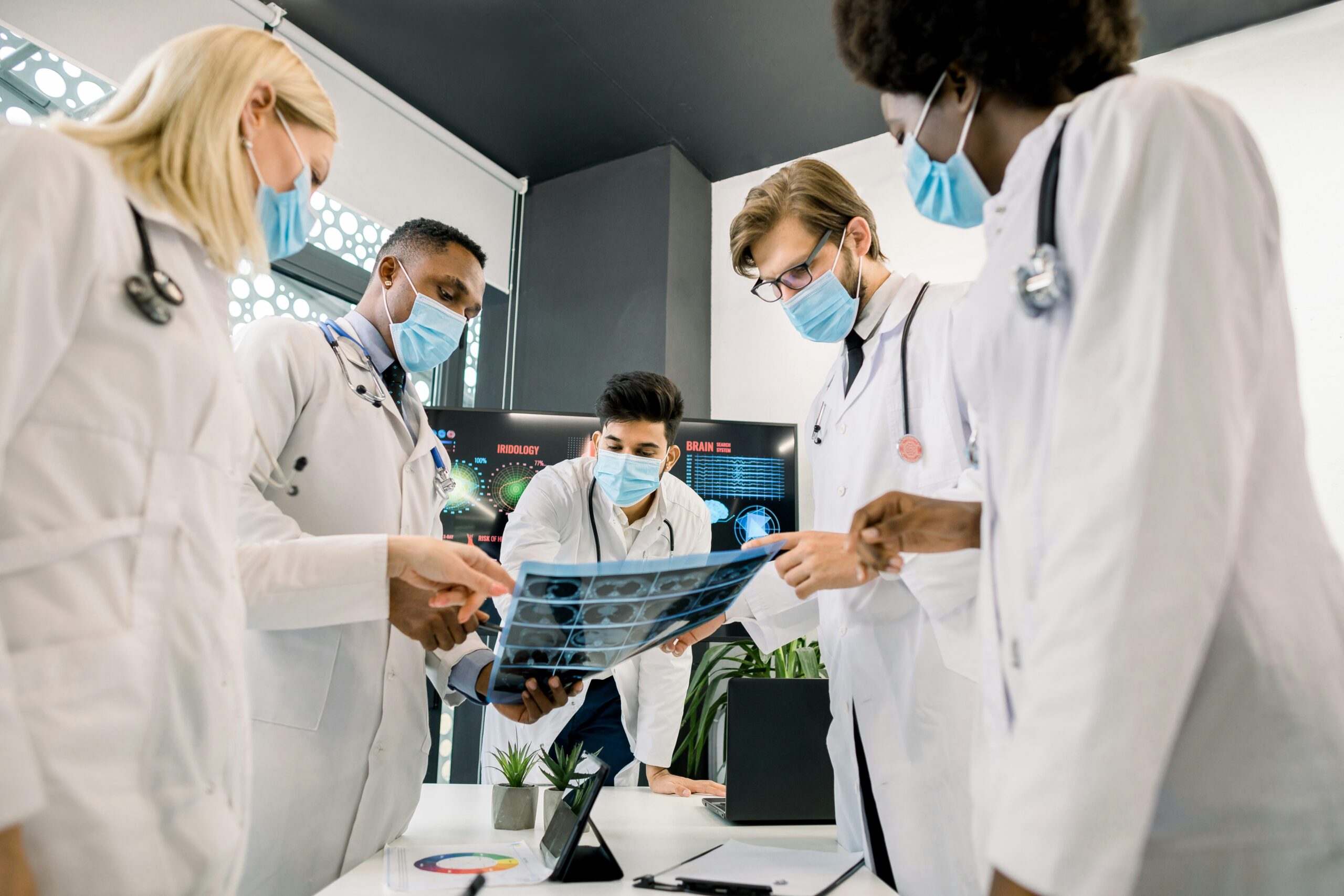
Medicine continues to change because healthcare reaches far beyond hospitals and clinics. Physicians now care for patients from diverse cultures, languages, and communities while addressing health concerns that affect people worldwide. Because of these changes, medical education must prepare students for much more than diagnosing diseases and prescribing treatments. Future physicians also need strong communication skills, cultural awareness, leadership abilities, and a commitment to serving others. Global Health Giving helps students develop these qualities while strengthening their clinical education.
Global Health Giving teaches future physicians how healthcare systems connect through shared challenges and common goals. Students learn that improving health requires teamwork, education, prevention, and community engagement. As they gain these experiences, they become more thoughtful healthcare professionals who understand that every patient deserves compassionate, respectful, and high-quality care. This broader perspective prepares students to succeed throughout medical school, residency, and their future careers.
Understanding Healthcare Beyond Local Communities
Medical students spend years learning anatomy, physiology, pathology, pharmacology, and clinical medicine. These subjects create the scientific foundation every physician needs. However, medicine involves much more than scientific knowledge alone. Healthcare is influenced by housing, education, nutrition, employment, clean water, environmental conditions, and access to medical services.
Global Health Giving helps students understand these larger influences. They discover that patients often face challenges outside the examination room that affect treatment success. When future physicians recognize these factors, they provide more complete and effective care.
Students also begin to see healthcare from multiple perspectives rather than focusing on a single healthcare system. They learn that communities solve medical challenges differently based on available resources, local traditions, and public health priorities. This broader understanding improves clinical judgment while encouraging lifelong curiosity.
Building Compassion Through Meaningful Service
Compassion remains one of the defining qualities of outstanding physicians. While classroom education explains disease processes, service experiences help students understand the people behind every diagnosis.
Global Health Giving places students in situations where they interact with individuals facing financial hardship, transportation barriers, limited access to healthcare, or cultural differences. These experiences encourage empathy by showing students how personal circumstances influence health outcomes.
Instead of making assumptions, students learn to ask thoughtful questions and listen carefully. Patients feel respected when physicians acknowledge their experiences before discussing treatment options. As trust grows, communication improves, and healthcare becomes more effective.
Compassion also supports physician wellness. Students who understand the deeper purpose behind medicine often maintain stronger motivation throughout demanding medical training.
Developing Strong Communication Skills
Communication affects every part of healthcare. Physicians explain diagnoses, discuss treatment plans, comfort families, educate communities, and collaborate with healthcare teams. Therefore, communication deserves as much attention as clinical knowledge.
Global Health Giving exposes students to people with different languages, educational backgrounds, and cultural traditions. These interactions encourage students to explain medical concepts clearly while adjusting their communication style to meet individual needs.
Students also strengthen active listening skills. They recognize that effective communication depends on understanding patients rather than simply delivering information. Careful listening often reveals concerns that improve diagnosis and treatment planning.
Furthermore, stronger communication improves teamwork. Physicians who communicate clearly create safer healthcare environments where every team member understands shared goals and responsibilities.
Learning Cultural Awareness
Healthcare professionals serve increasingly diverse populations every year. Therefore, cultural awareness has become an essential professional skill rather than an optional one.
Global Health Giving teaches students that culture influences healthcare decisions, beliefs about illness, family involvement, nutrition, mental health, and preventive care. Understanding these differences allows physicians to build respectful relationships with every patient.
Students also discover that cultural awareness does not require knowing every tradition. Instead, it requires curiosity, respect, and the willingness to learn from each patient encounter. These attitudes reduce misunderstandings while improving patient satisfaction.
As physicians continue to practice, cultural competence strengthens healthcare equity because every patient receives individualized attention rather than relying on standardized assumptions.
Strengthening Leadership Abilities
Healthcare leaders influence patient care every day. Physicians coordinate treatment plans, guide healthcare teams, mentor younger professionals, and improve healthcare organizations. Leadership therefore begins long before graduation.
Global Health Giving creates opportunities for students to participate in outreach programs, community projects, educational initiatives, and collaborative healthcare efforts. These experiences teach responsibility while encouraging confidence.
Students learn that effective leadership focuses on service rather than authority. Successful healthcare leaders support colleagues, encourage teamwork, and make decisions that benefit patients and communities.
Leadership also requires flexibility. Healthcare situations often change quickly, and physicians must remain calm while guiding others through uncertainty. Early service experiences help students develop this confidence naturally.
Improving Clinical Judgment
Every patient presents unique challenges. While textbooks describe common diseases, real patients often experience multiple health concerns influenced by personal circumstances.
Global Health Giving encourages students to think critically before making clinical decisions. They learn to evaluate available resources, patient preferences, and community needs while selecting appropriate treatments.
Students also understand that excellent medicine depends on thoughtful reasoning rather than technology alone. Observation, communication, teamwork, and careful assessment remain essential regardless of the equipment available.
As clinical experience grows, these decision-makingdecision-making skills continue to support accurate diagnoses and patient-centered treatment.
Appreciating Preventive Medicine
Many healthcare systems spend enormous resources treating diseases after they develop. However, preventive medicine often improves health more effectively while reducing long-term healthcare costs.
Global Health Giving introduces students to vaccination campaigns, nutrition education, maternal health programs, sanitation improvements, and community wellness initiatives. These programs demonstrate how prevention protects entire populations.
Students begin recognizing that physicians improve health not only through treatment but also through education. Encouraging healthy behaviors often prevents serious illnesses before hospitalization becomes necessary.
Preventive medicine also strengthens healthcare systems by reducing avoidable complications and improving quality of life for patients across every age group.
Additional Information
- Blogs
- healthcare systems, medical education, mental health
- Dr. Seth Eidemiller