How Healthcare Access Improves When Generous Doctors Lead with Compassion
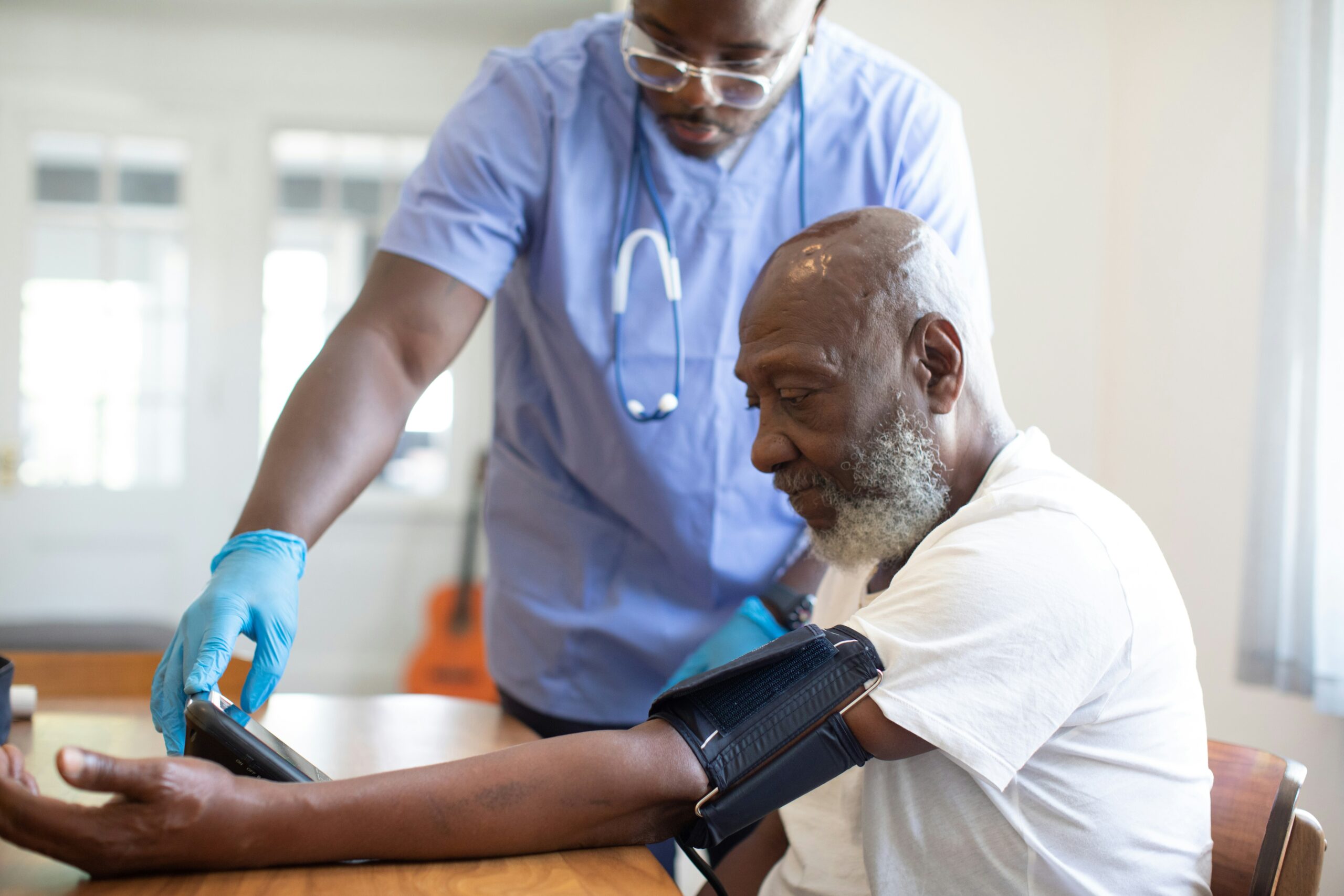
Healthcare Access remains one of the most important goals in modern medicine. Every person deserves the opportunity to receive quality care regardless of income, race, age, language, or location. Yet many communities still face barriers that make healthcare difficult to obtain. Some people live far from medical facilities, while others struggle with financial limitations or lack the information needed to seek timely care.
Generous doctors help bridge these gaps every day. They give more than medical expertise. They offer compassion, time, guidance, and advocacy. As a result, they improve Healthcare Access for individuals and communities that often face challenges within the healthcare system. Their commitment helps create a more inclusive environment where patients feel valued and supported.
Why Healthcare Access Matters
Healthcare Access affects every aspect of community well-being. When people can easily reach healthcare services, they receive preventive care, early diagnoses, and effective treatment. Consequently, they enjoy better health outcomes and a higher quality of life.
Limited Healthcare Access often leads to delayed treatment and worsening health conditions. Furthermore, untreated illnesses can increase healthcare costs and place greater pressure on medical systems. Therefore, expanding access benefits both patients and healthcare providers.
The Role of Generous Doctors in Expanding Care
Generous doctors often look beyond traditional responsibilities. They focus on helping patients overcome barriers to receiving proper treatment. In many cases, they volunteer in community clinics, participate in outreach programs, and support underserved populations.
Moreover, these physicians understand that every patient deserves attention and respect. They take time to listen carefully and provide guidance that addresses individual needs. Because of this commitment, patients often feel more comfortable seeking care and following treatment plans.
Building Trust Through Compassion
Trust forms the foundation of successful healthcare relationships. Patients who trust their doctors communicate more openly and engage more actively in their care. As a result, physicians gain a clearer understanding of patient needs and concerns.
Compassionate doctors build trust by showing empathy and understanding. They treat patients as individuals rather than medical cases. Additionally, they encourage questions and provide clear explanations. This approach creates stronger relationships and improves Healthcare Access by reducing fear and uncertainty.
Reaching Underserved Communities
Many underserved communities face serious healthcare challenges. Rural areas often experience provider shortages, while low-income neighborhoods may struggle with limited healthcare resources. Consequently, residents may delay care until health conditions become severe.
Generous physicians frequently choose to serve these communities despite the challenges involved. They establish local practices, participate in mobile health programs, and support community healthcare services. Therefore, they help bring Healthcare Access directly to populations that need it most.
Supporting Preventive Healthcare
Preventive care plays a vital role in maintaining good health. Regular screenings, wellness visits, and health education can identify risks before serious problems develop. However, many people miss preventive services due to a lack of Access to Healthcare.
Doctors who prioritize service encourage patients to take preventive measures. They educate individuals about healthy lifestyles and the importance of routine checkups. Furthermore, they help patients understand how early intervention can prevent future complications. This proactive approach strengthens public health and reduces disparities.
Addressing Healthcare Disparities
Healthcare disparities continue to affect many populations. Differences in income, education, geography, and social conditions often influence health outcomes. Consequently, some groups experience higher rates of chronic illness and reduced life expectancy.
Generous doctors actively work to reduce these disparities. They advocate for equitable treatment and ensure that patients receive care based on need rather than circumstance. In addition, they collaborate with community organizations to connect patients with valuable resources. These efforts support greater Healthcare Access and promote fairness across healthcare systems.
Understanding Social Factors That Influence Health
Health depends on more than medical treatment alone. Housing, nutrition, transportation, education, and employment all influence a person’s ability to maintain good health. Therefore, effective healthcare requires attention to these broader factors.
Compassionate physicians recognize these challenges and adjust their approach accordingly. They help patients access support services and community programs that address social needs. As a result, patients gain additional tools to improve their overall well-being and maintain better health outcomes.
Improving Communication With Patients
Clear communication remains essential for effective healthcare. Patients need accurate information about diagnoses, medications, treatment options, and follow-up care. Without proper understanding, they may struggle to make informed decisions.
Generous doctors take time to explain complex medical information in simple terms. They encourage dialogue and ensure patients feel comfortable asking questions. Furthermore, they respect cultural and language differences that may affect communication. This approach improves Healthcare Access by helping patients navigate care with confidence.
Encouraging Community Engagement
Healthcare extends beyond hospitals and clinics. Strong community engagement helps identify local health challenges and create practical solutions. Therefore, many physicians actively participate in community initiatives and public health programs.
Through educational events, health screenings, and outreach efforts, doctors can reach individuals who might not otherwise seek care. Additionally, these activities raise awareness about important health issues and encourage healthier behaviors. Community involvement strengthens Healthcare Access and supports long-term wellness.
Advocating for Better Healthcare Systems
Generous physicians often witness healthcare barriers firsthand. They see how provider shortages, financial obstacles, and administrative challenges affect patient outcomes. Because of this experience, many become advocates for healthcare improvement.
These doctors support policies and initiatives that expand Healthcare Access and reduce disparities. They work with healthcare organizations, community leaders, and policymakers to create positive change. As a result, their advocacy helps build stronger and more inclusive healthcare systems.
Inspiring Future Healthcare Professionals
The influence of generous doctors extends beyond their own patients. Their commitment to service inspires future generations of healthcare professionals. Medical students and young physicians often learn valuable lessons from mentors who prioritize compassion and equity.
By modeling patient-centered care, these physicians encourage others to adopt similar values. Consequently, they help create a healthcare workforce dedicated to improving Healthcare Access and serving diverse populations. This lasting influence supports progress across the entire healthcare field.
Additional Information
- Blogs
- healthcare services, healthcare workforce, medical facilities
- Dr. Seth Eidemiller