Why Early Global Health Education Shapes Better Future Doctors
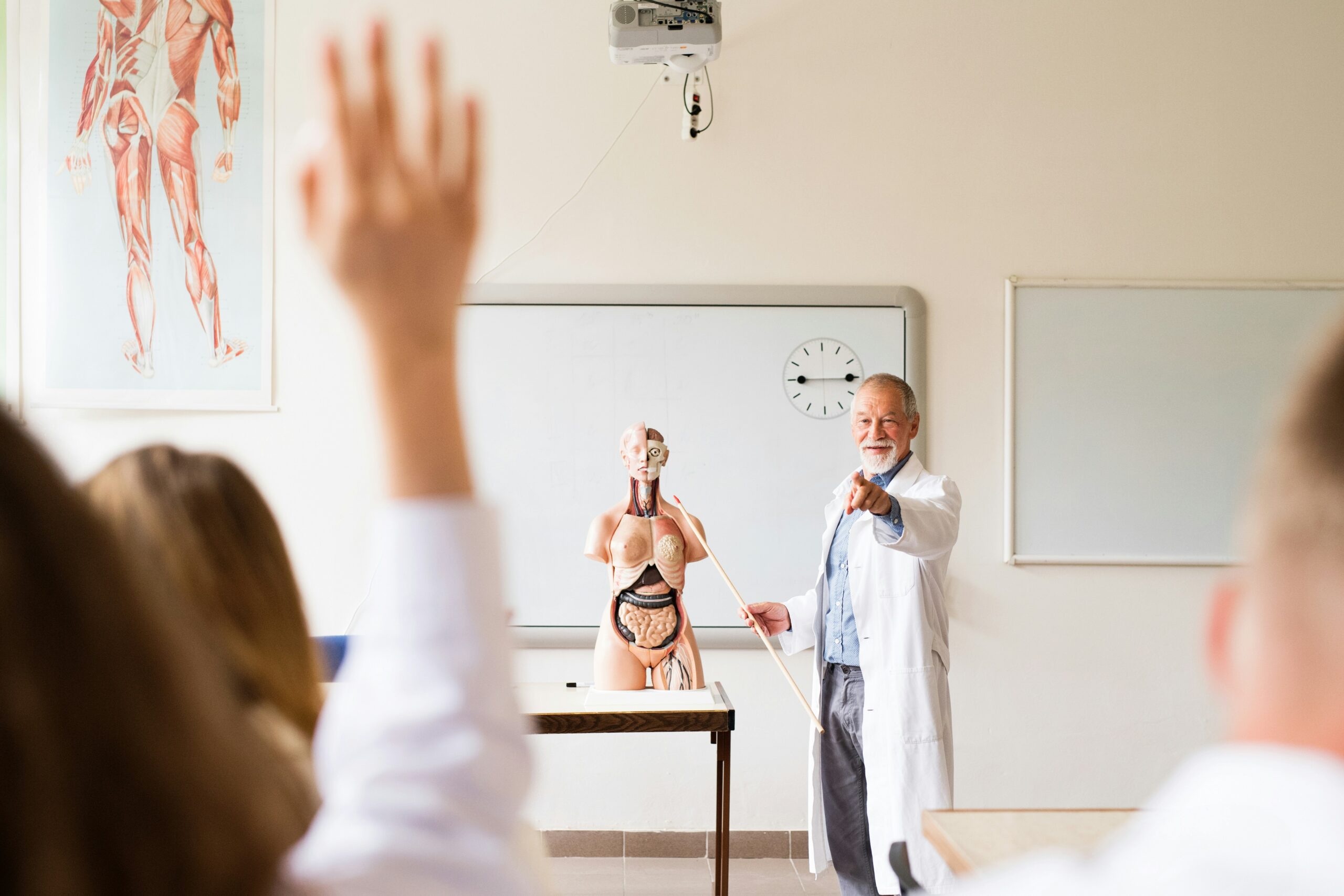
Medical school teaches future physicians how to diagnose illness, understand science, and care for patients. Yet medicine also exists within larger social and economic systems. Health outcomes often depend on access to clean water, safe hospitals, essential medicine, trained professionals, and reliable community support. Learning about global health giving early helps students see these connections before they enter full-time clinical practice.
Early exposure also helps medical students understand that giving involves more than sending money or supplies. Effective support requires planning, cultural awareness, local leadership, and long-term responsibility. When students learn these ideas alongside clinical skills, they gain a broader view of what meaningful medical service can achieve.
Understanding Health Beyond the Hospital
Medical students spend much of their training studying what happens inside clinics and hospitals. Global health education expands that perspective. It shows how poverty, transportation, education, housing, food security, and public health systems affect whether people can receive care. A treatment may exist, but it means little when patients cannot reach a facility or afford basic services.
Learning about global health giving makes these challenges more visible. Students begin to understand why charities may support vaccination programs, mobile clinics, emergency care, maternal health programs, or medical training. They see that health problems rarely have one simple cause. This wider understanding can influence how they approach patients throughout their careers.
Learning What Responsible Giving Really Means
Good intentions do not automatically produce good results. Donations can create problems when outside organizations send unwanted equipment, ignore local priorities, or introduce programs that cannot continue after funding ends. Medical students should learn these lessons before participating in charitable projects or international service programs.
Responsible giving starts with listening. Local doctors, nurses, community leaders, and health organizations usually understand their communities better than outside donors. Students who learn this principle early become more thoughtful partners. Instead of assuming what another community needs, they learn to ask questions, study local conditions, and support solutions that communities can maintain.
Building Cultural Awareness Before Clinical Practice
Doctors care for people from many cultures, even when they never practice medicine abroad. Beliefs about illness, family roles, treatment, pain, death, and medical authority can differ widely. Global health education introduces students to these differences while encouraging curiosity instead of assumptions.
This awareness improves communication. A student who understands cultural differences may become more comfortable asking patients about their beliefs and concerns. That approach can strengthen trust and reduce misunderstandings. Global health education therefore serves two purposes. It prepares students for international work while also helping them care more effectively for diverse patients at home.
Connecting Philanthropy With Sustainable Healthcare
Medical giving often receives attention during disasters or major health emergencies. Emergency donations matter, but lasting health improvement usually requires continued investment. Communities need trained professionals, dependable supply chains, functioning equipment, preventive programs, and institutions that can operate for years.
Medical students should understand this difference between short-term relief and sustainable support. A donation that funds one shipment of supplies may provide immediate help. A program that also trains local workers or strengthens medical systems may produce benefits long after the original funding ends. Learning this distinction helps future doctors evaluate charitable efforts more carefully.
Preparing Students for Future Leadership Roles
Many physicians eventually become department leaders, hospital executives, researchers, nonprofit advisers, or members of charitable boards. These roles often involve decisions about funding and community investment. Doctors who understand global health giving can contribute more effectively to those discussions.
Early education gives students time to develop that knowledge gradually. They can study how nonprofit organizations work, how health projects measure results, and how donors choose responsible partners. These skills become valuable when physicians later help design outreach programs, review grant proposals, support medical missions, or guide hospital philanthropy.
Encouraging Lifelong Habits of Service
Medical school can shape professional values that last for decades. Students who learn about charitable healthcare early may begin to see service as a normal part of medical life rather than something reserved for retirement or occasional volunteer trips.
Service can take many forms. A physician may mentor students, donate to medical education, support a community clinic, help train healthcare workers, or contribute expertise to a nonprofit organization. Early exposure helps students recognize that meaningful giving does not require wealth or international travel. Time, knowledge, advocacy, and professional connections can also create lasting value.
Teaching Students to Evaluate Real Impact
Healthcare charities often describe their work through numbers such as patients treated, supplies delivered, or clinics opened. Those numbers can be useful, but they do not always show whether a program created lasting improvement. Students should learn to ask deeper questions about outcomes.
For example, they can consider whether patients continued receiving care after a project ended or whether local professionals received useful training. They can also examine whether donated equipment remained functional and whether programs respected community priorities. These questions teach future doctors to value measurable impact rather than impressive statistics alone.
Creating a More Connected Generation of Physicians
Medicine increasingly operates across national borders. Infectious diseases, humanitarian crises, migration, medical research, and supply chains connect health systems around the world. Physicians benefit from understanding these relationships, even when their careers remain focused on one community.
Teaching global health early helps students see themselves as part of this wider medical community. They learn that improving health often requires cooperation among clinicians, governments, nonprofits, donors, researchers, and local leaders. This perspective encourages collaboration and reminds future doctors that medical knowledge carries opportunities for service beyond individual patient encounters.
Turning Early Lessons Into Lasting Action
Students do not need to become global health specialists to benefit from these lessons. The goal is to develop informed, responsible physicians who understand how charitable efforts can support stronger healthcare systems. Early education gives them time to question assumptions and learn from both successful and unsuccessful programs.
When medical schools introduce global health giving early, they help students connect clinical knowledge with social responsibility. Future physicians enter their careers with a stronger understanding of ethical giving, sustainable partnerships, cultural awareness, and meaningful service. Those lessons can guide decisions throughout a lifetime in medicine and help doctors contribute to healthier communities both locally and globally.
Additional Information
- Blogs
- future physicians, global health
- Dr. Seth Eidemiller